Maruthanganallur, Sivagangai :
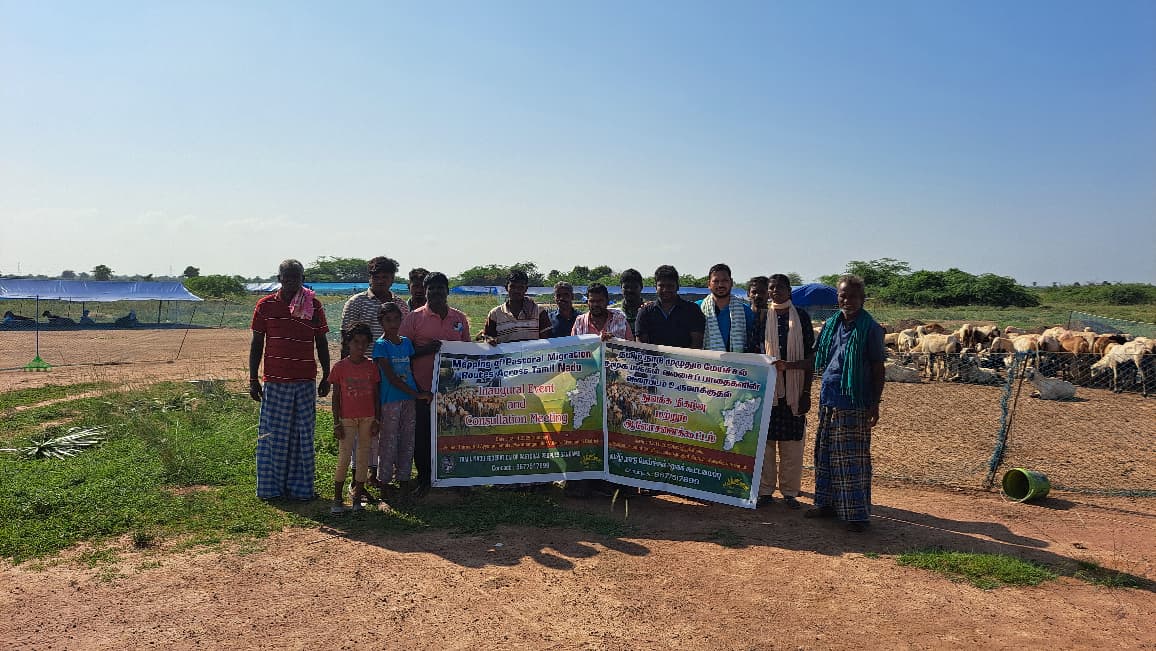
Pastoral communities across Tamil Nadu convened on November 2, 2025, to discuss mounting challenges in traditional livestock migration routes and demand legislative protection for their livelihoods.
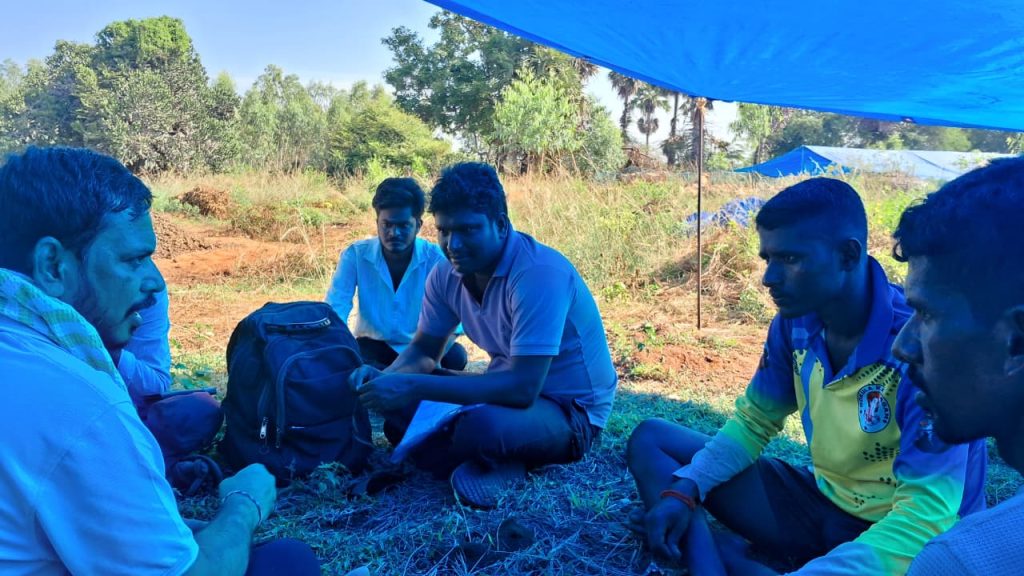
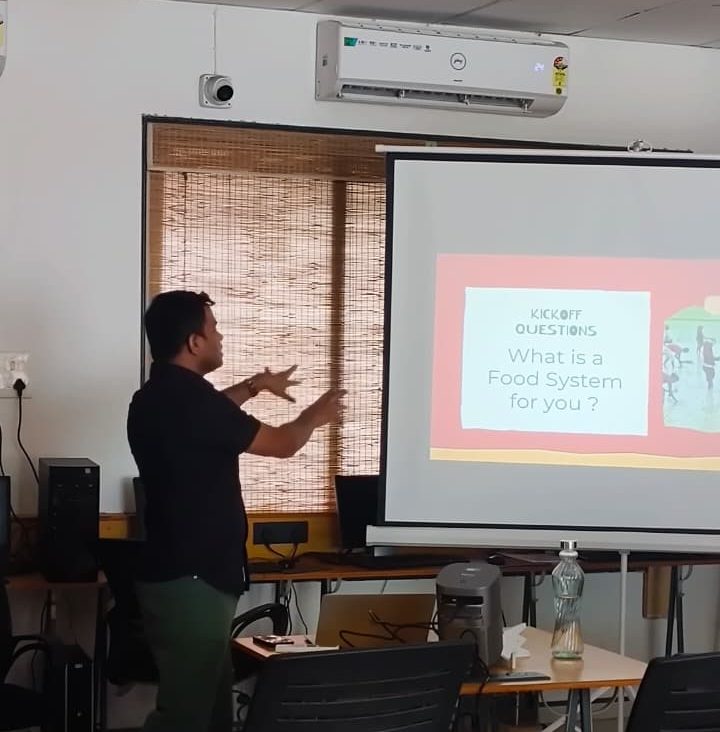
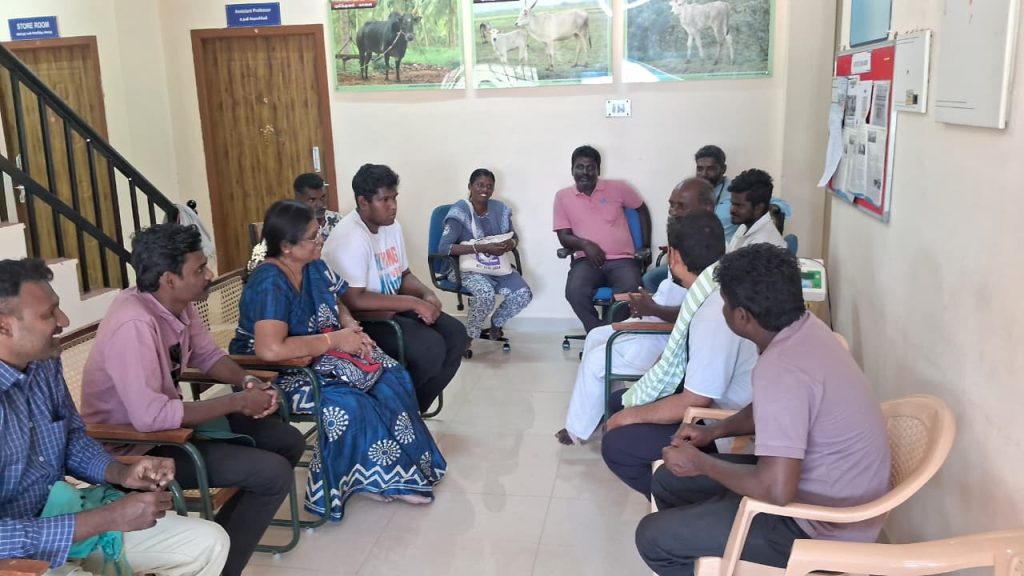
The meeting, organized by the Tamil Nadu Federation of Pastoral Peoples Sangams (TFPPS) under State President Rajiv Gandhi, brought together 35 participants including pastoral herders, NGO representatives, government officials, and volunteers from Sivagangai, Ramanathapuram, Coimbatore, and Virudhunagar districts.
Forced Shift to Mechanized Transport
Pastoralists revealed a dramatic shift in migration practices, with most now hiring trucks to transport livestock instead of traditional walking routes. The change stems from increasing accidents on highways, police interference, and loss of animals during transit—all without insurance coverage for their herds.
Suresh from Kurnthanmichan village described seasonal migrations spanning over 200 kilometers to Thanjavur and Nagapattinam districts. “We travel to these distant places between January and February during paddy harvest season, returning only by August,” he explained.
Health Outbreaks and Water Scarcity
The Kurumbagoundar pastoral community, comprising 15 families managing approximately 15,000 sheep, migrate annually from Palani in Dindigul district to Palakkad in Kerala between January and June. They expressed serious concerns over Anthrax and Brucellosis outbreaks affecting their flocks, coupled with inadequate veterinary support.
Pandi from Ramanathapuram district highlighted water scarcity issues, citing tank bund encroachments in Kadambodai village that deprive animals of drinking water during summer months. He demanded that the Vaigai river be opened for livestock during summer, similar to irrigation water releases for farmers.
Labour Exploitation and Forest Harassment
Participants raised troubling accounts of bonded-labour-like conditions during migration, where advance payments to hired laborers lead to legal disputes and police cases. They also complained about lower-level forest officials demanding bribes and blocking grazing access.
The herders pointed to an unexpected obstacle: government tree-planting initiatives along highways now restrict animal movement, with pastoralists facing penalties for damage to saplings.
Call for Dedicated Infrastructure
Drawing inspiration from Madrid’s planned pastoral routes, participants emphasized the urgent need for dedicated animal corridors or underground tunnels beneath highways to ensure safe passage for migrating herds.
Kishore, an innovator, demonstrated a portable animal inspection platform designed to monitor the weight and health status of sheep and goats, while discussions covered low-cost movable shelters using iron wire that offer better ventilation than traditional palm-leaf structures.
Key Demands
The meeting concluded with four primary recommendations:
- Enactment of a separate state act for pastoral welfare, modeled on Karnataka’s legislation
- Formation of an exclusive government authority or board for pastoral community rights
- Provision of insurance coverage, vaccination, and veterinary services for migratory livestock
- Official recognition and mapping of traditional migration routes
Dr. Saravanan, Assistant Director of Animal Husbandry, outlined existing government schemes and vaccination drives, while a senior professor from the Veterinary College emphasized disease prevention measures tailored for mobile pastoral communities.
P. Vivekanandan from SEVA/IYRP South Asia and other experts contributed insights on pastoral mapping and coordination strategies. The workshop was moderated by Dr. Jagadeesan Krishnan, who delivered the vote of thanks.
Prior to the main meeting, a 10-member pastoral volunteer team conducted field interactions with migratory herders around Manamadurai town on November 1, gathering ground-level perspectives on current challenges.