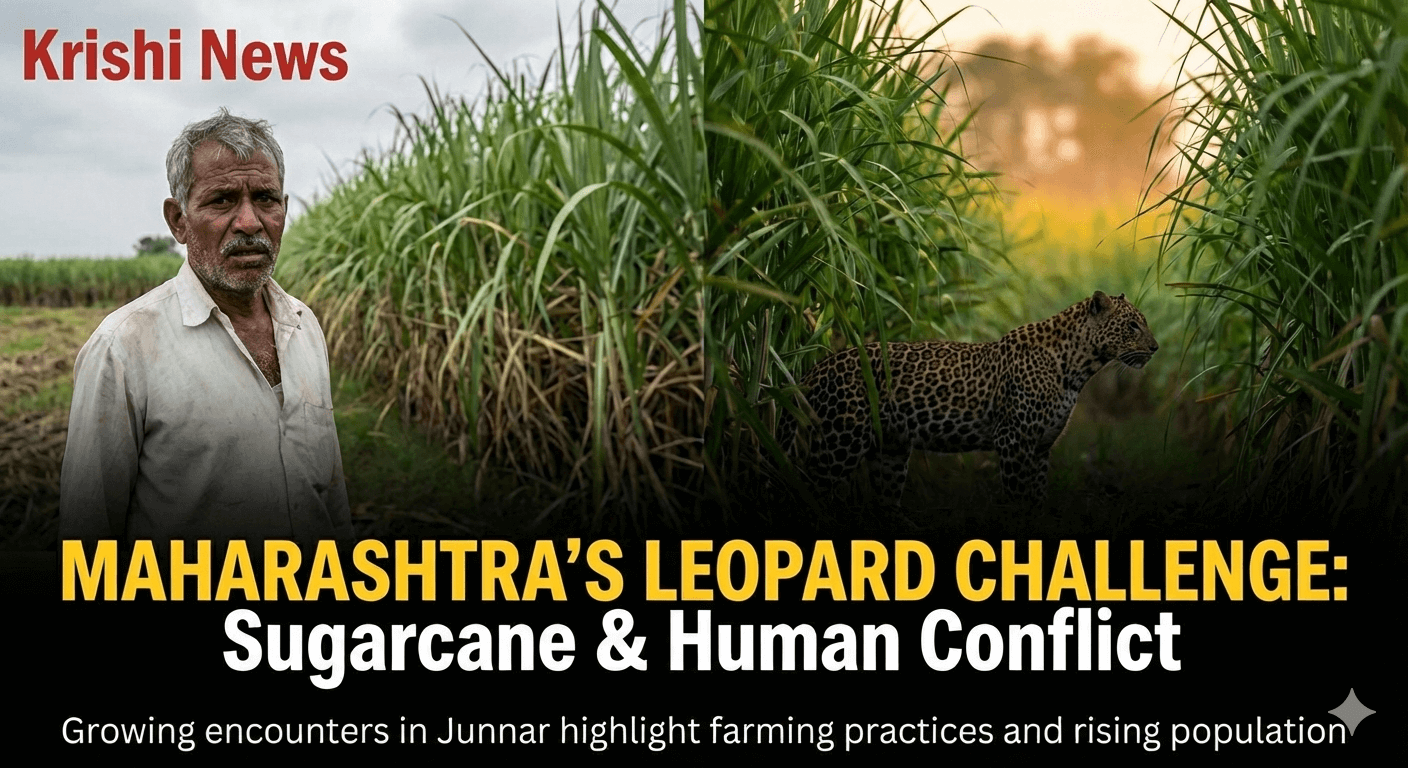
A distressing encounter in Maharashtra highlights the growing conflict between humans and leopards, with sugarcane farming playing a central role. Saluram Kargal, a farmer from Wadgaon Borwadi village near Pune, narrowly escaped a leopard attack that resulted in the loss of two of his goats and severe injuries to himself and his son. This incident, which occurred in October, is not an isolated one. Junnar taluka in Pune district, a region known for its scenic beauty and historical sites, is also experiencing a significant increase in leopard-human conflict.
Experts believe a primary reason for this surge is the high density of leopards in the area. While official figures are from decades ago, current estimates suggest a population of 800 to 1,000 leopards, possibly more. This density is comparable to that found in protected wildlife reserves, yet Junnar is a heavily populated area. The situation has become a recipe for conflict, as explained by YV Jhala, a former dean at the Wildlife Institute of India. He stated that “A low-density large carnivore population and low-density human population can co-exist. But when both become high, then that’s a recipe for conflict.”
The root cause of this escalating problem can be traced back to changes in land use over the past few decades. Since the 1970s, the construction of dams in the region led to increased water availability. This encouraged farmers to switch to water-intensive sugarcane cultivation. The dense sugarcane fields, some growing over 15 feet tall, provide an ideal habitat for leopards to breed and raise their cubs. These fields also offer a readily available food source in the form of domestic animals like dogs and goats.
The consequences have been severe. According to data from the Junnar forest department, between 2002 and the current year, 56 people, mostly children, have lost their lives due to leopard attacks, with another 156 injured. Last year alone, five people died in Junnar from leopard attacks, and over 26,000 cattle were killed. The forest department provides compensation, but as farm labourer Maya Sonawane puts it, “the compensation means nothing when you lose a family member.”
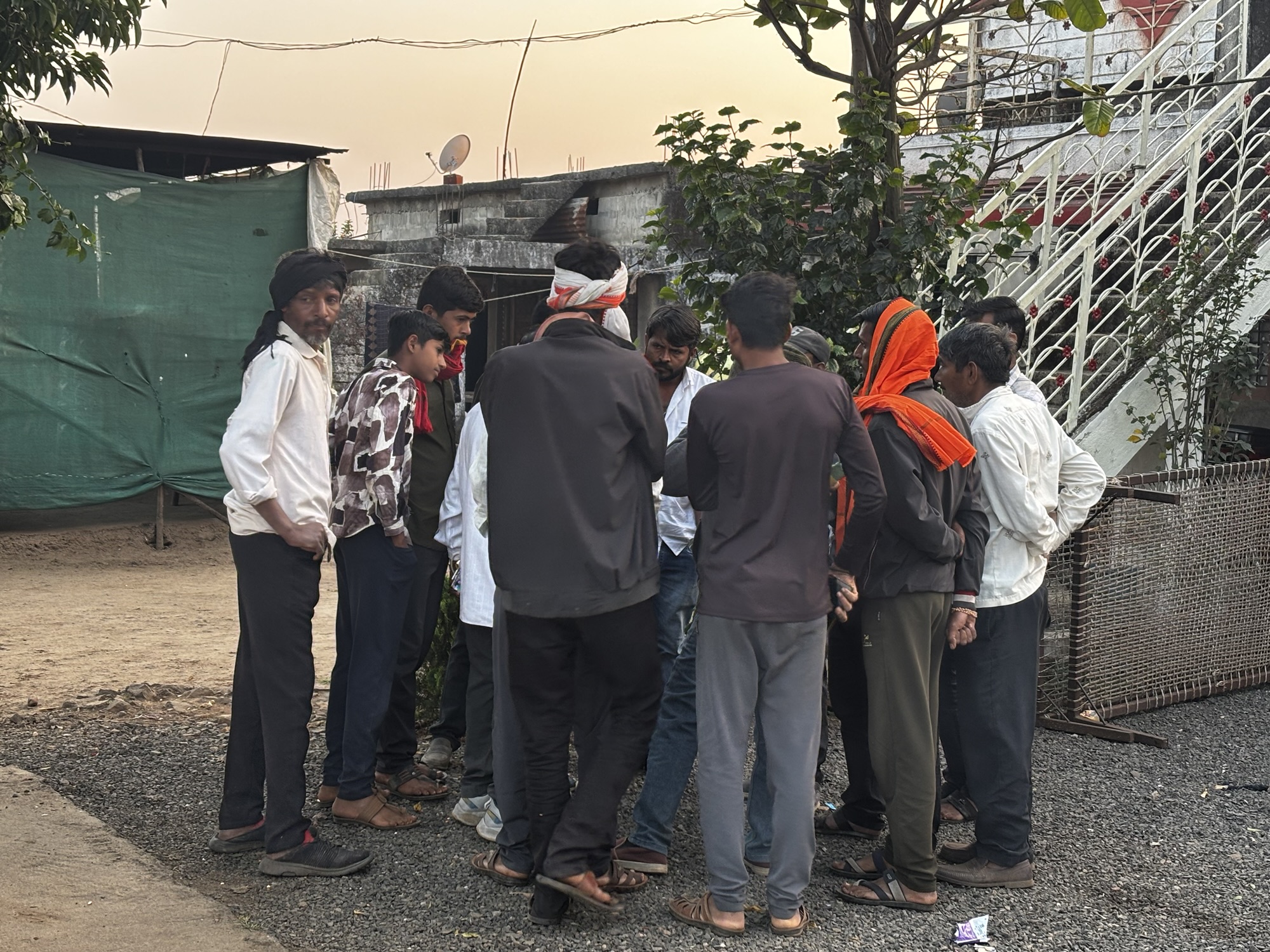
Residents live in constant fear. They avoid going out alone, shout loudly while walking to scare away any leopards, and stay indoors after dark. Cages for trapping leopards are a common sight. The fear is palpable, as farmers like Sakubai Kakade no longer go to their farms alone after her grandson was killed by a leopard. Even migrant workers, like Vaishali Wagh, who travel to Junnar for work, live with the fear of leopards while harvesting sugarcane.
Authorities are implementing various measures to address the issue. These include installing solar fences around isolated houses, setting up cage traps, and distributing spiked collars to farmers. The forest department is also exploring technological solutions like AI-powered cameras that can detect leopards and send alerts. Additionally, they use ‘anider’ systems and simpler alarm machines that emit loud noises to scare away animals.
However, some long-standing strategies, such as translocating leopards, have proven ineffective and even counterproductive. Studies have shown that translocated leopards often return to their original areas, leading to increased conflict. The forest department has temporarily halted translocations and is now housing captured leopards in centres.
New approaches are also being considered, such as moving leopards from Schedule I to Schedule II of the Wildlife Protection Act, which would reduce their protection status. Experts warn this could be disastrous for the animals, making them more vulnerable to poaching. Another pilot project involves using immuno-contraceptives to control the leopard population. However, concerns remain about the cost, effectiveness, and potential behavioural changes in the animals.
Experts like YV Jhala emphasize the need for long-term solutions, such as changing cropping patterns to reduce cover and minimising the vulnerability of livestock. He believes that many current measures are merely superficial.
The human-leopard conflict in Junnar is a complex issue with deep roots in agricultural practices and land-use changes. While efforts are being made to mitigate the problem, finding a sustainable balance that ensures the safety of both humans and wildlife remains a significant challenge. The story of Saluram Kargal serves as a stark reminder of the daily risks faced by communities living alongside these magnificent but sometimes dangerous predators.